The Athlete’s Purpose: Redefining Impact Beyond the Podium

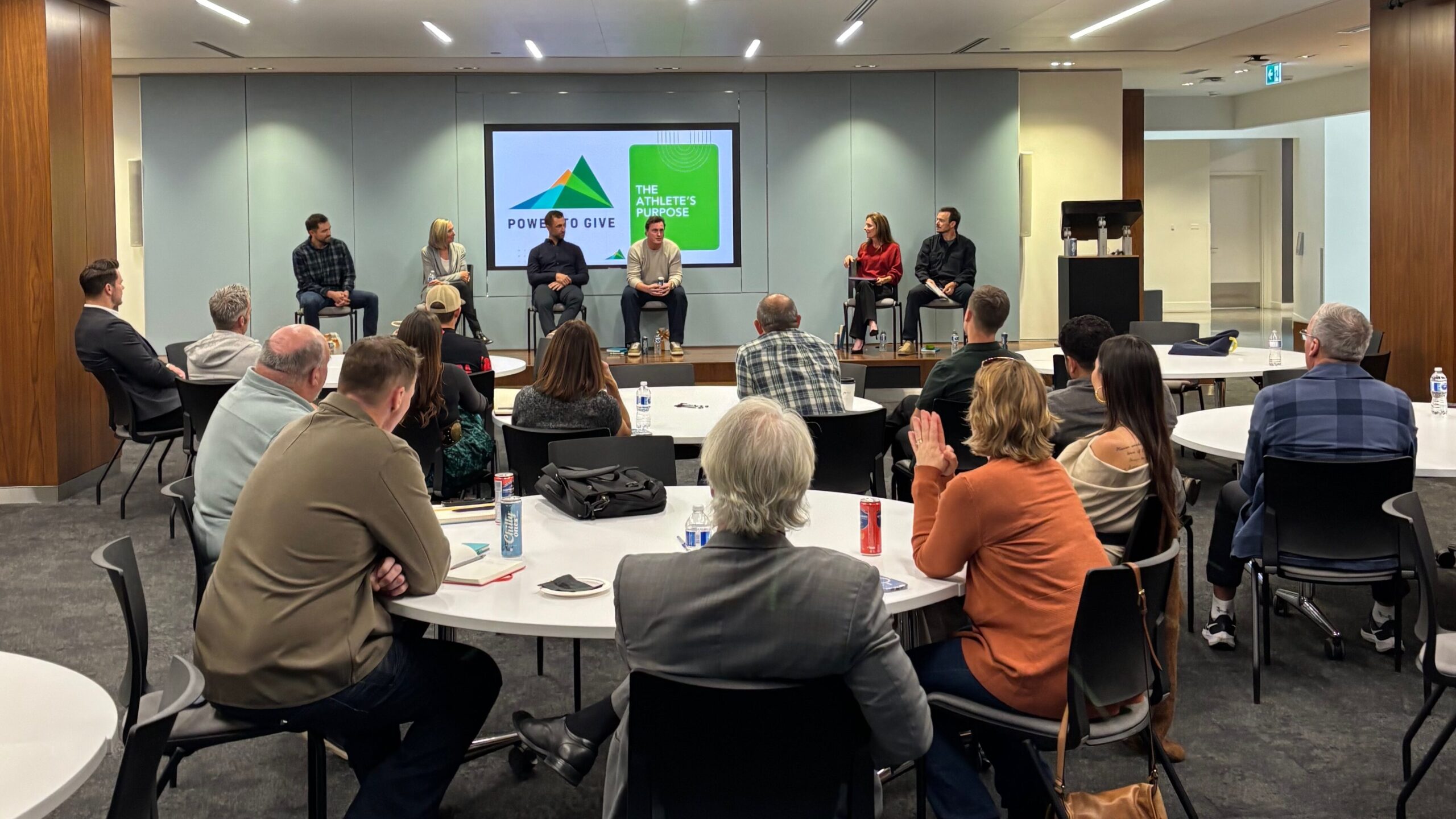
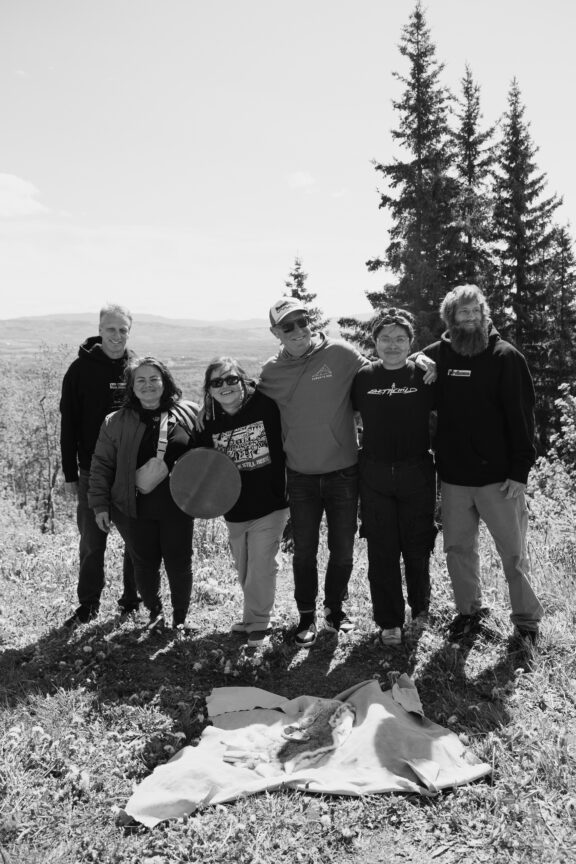
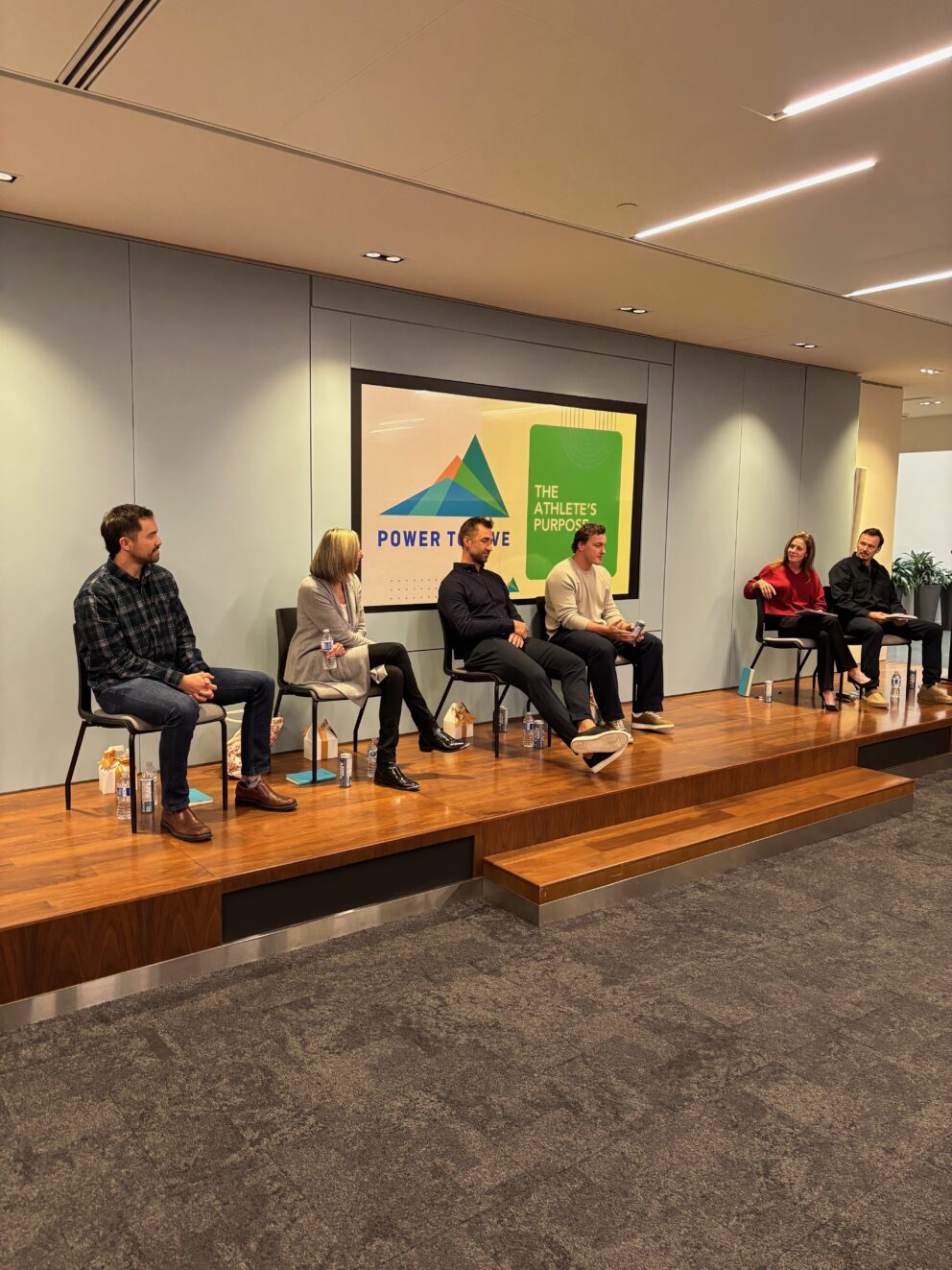
On October 22, 2025, Power to Give hosted The Athlete’s Purpose at Rogers Court in Calgary — a first-of-its-kind gathering designed to help athletes explore life, leadership, and legacy beyond competition.

The event brought together over 30 current and former athletes for an afternoon of storytelling, reflection, and connection — guided by the shared belief that the skills that make great athletes also make great changemakers. Through courage, curiosity, and community, The Athlete’s Purpose invited participants to rediscover who they are when the game ends — and how their next chapter can create lasting impact.

We honour and acknowledge Calgary is located on the traditional territories of the Treaty 7 peoples, including the Blackfoot Confederacy, Tsuut’ina Nation, and Îyârhe Nakoda Nations, and is home to Métis Nation of Alberta, Region 3. We are grateful for the opportunity to gather, work, and learn together on these sacred lands.

A Conversation on Life After Sport

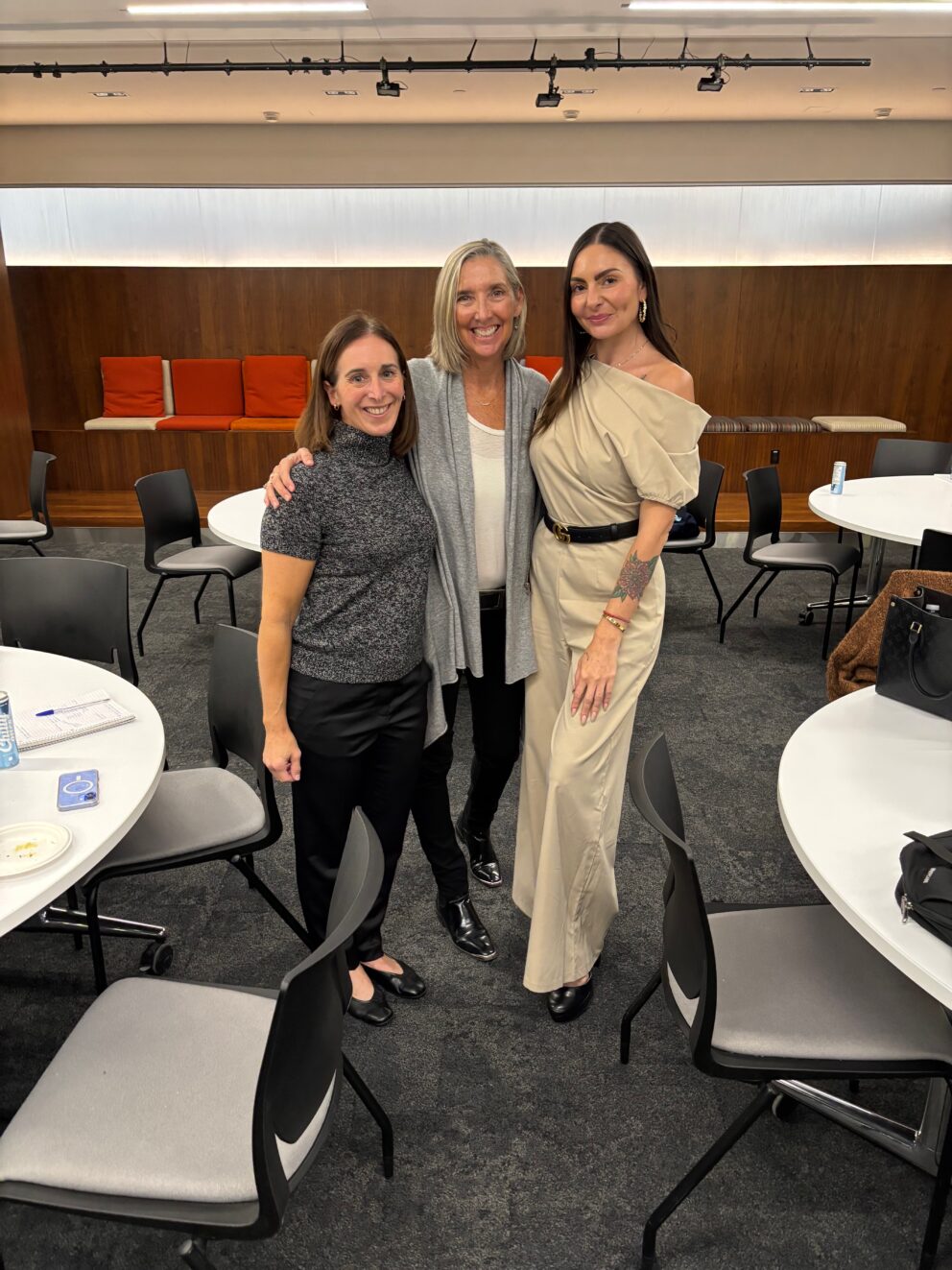
Co-hosts Cheryl Bernard and Simon Whitfield led a dynamic discussion featuring Kyle Quincey, Tyson Barrie, Sasha Perron, and Michelle Cameron Coulter. Athletes shared honest and emotional accounts of their “now what” moments, the unexpected challenges of reinvention, and the surprising ways they’ve found meaning beyond the podium.

“The Athlete’s Purpose event was a powerful reminder that when athletes step into life beyond sport, their influence doesn’t end—it just evolves. Seeing athletes channel their leadership, resilience, and teamwork into community impact creates an incredible social return, inspiring philanthropy and meaningful change across Canada. My hope is that we continue to nurture these transitions, so the ripple effect of athlete-driven giving grows stronger, reaching even the most remote and underserved communities in our country.”
— Cheryl Bernard, President & CEO, Canada’s Sports Hall of Fame

Cheryl’s words echoed the heart of the event — that purpose after sport is not only personal, but profoundly communal. It’s about transforming the lessons of perseverance and teamwork into meaningful contributions that strengthen the fabric of communities across Canada.

From Performance to Purpose

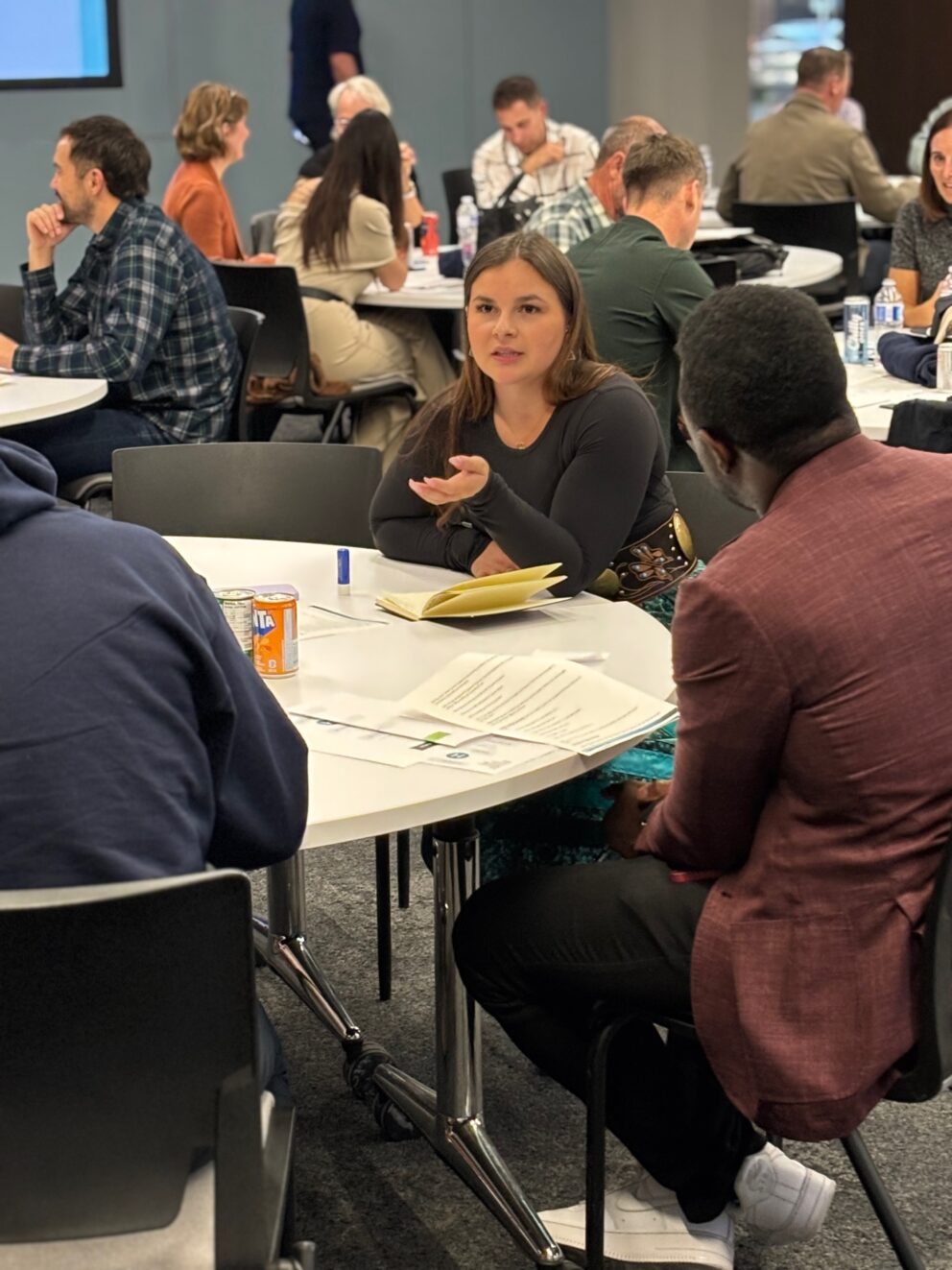
Following the panel, athletes took part in Exploring Purpose, a small-group session facilitated by Matt Jackson of High Impact Labs. Through guided conversation and peer-to-peer reflection, participants were encouraged to explore what truly drives them — their personal values, community connections, and the causes that bring them a sense of meaning and fulfillment.

“When you step out of sport, you lose what’s familiar — the team, the rhythm, the thing that’s been part of your life for so long. It takes time to figure out who you are outside of that,” shared Sasha Perron, one of the event’s panelists. “For me, it was about pushing myself out of my comfort zone and sharing what I’ve learned so far. Everyone has something to teach. Being part of this event reminded me that talking about your ‘why’ — what really makes you feel alive — helps you connect with people on a whole new level. It’s how community grows.”

As conversations unfolded, themes of mentorship, mental health, and local leadership emerged. Many athletes spoke of the power of shared vulnerability — how hearing others’ stories helped them recognize that purpose doesn’t disappear when competition ends; it simply changes form.

People. Place. Power.

For many who attended, The Athlete’s Purpose was more than an afternoon of conversation — it was a reminder that purpose doesn’t end when competition does. It evolves. Events like this ripple far beyond the room — strengthening relationships, sparking collaboration, and reminding us that purpose is most powerful when shared.

Power to Give extends heartfelt thanks to our panelists, our co-host, High Impact Labs and our gratitude to sponsors Rogers, Urban Recreation, Chilly Ones, and Outway, LTD.  for their generous support in making this gathering possible. Their partnership helped create not just an event, but a meaningful space for athletes to connect, reflect, and begin writing their next chapter of impact.

As co-host Simon Whitfield reflected,

“This isn’t about where you played, what you won, or when you lost. It’s about life after sport.”

To stay connected or learn more about how Power to Give excites philanthropy, reach out at impact@powertogive.baremetal.com or sign up for our newsletter.
The Athlete’s Purpose


A gathering to excite purpose, partnerships and opportunities beyond your sporting career. 

One of the greatest challenges to being an elite competitor is finding the greater purpose that fuels your life.

Sometimes the best way forward is walking side-by-side with others.

Power to Give is proud to bring a small group of like-minded athletes together for an afternoon of sharing stories, making connections, and exploring opportunities for a purposeful future.​

At this in-person gathering, friends and future friends will dig deep on finding purpose after competition, and leveraging community partnerships to make a bigger impact. 

Please come ready to share your own experiences in finding purpose.

“This isn’t about where you played, what you won, or when you lost. It’s about life after sport.” — Simon Whitfield

Hosts and Panelists​

Cheryl Bernard
Co-Host

Simon Whitfield
Co-Host

Tyson Barrie
Panelist

Michelle Cameron-Coulter
Panelist

Kyle Quincey
Panelist

 Sasha Kasalas Perron
Panelist

Program

1:30Doors Open and Refreshments Available
2:00Elder Welcome
2:15“Where I am and Where I’m Going” Panel Discussion
Co-hosted by Simon Whitfield and Cheryl Bernard​
3:30Small-group discussions on “Exploring Personal Purpose”​
Facilitated by High Impact Lab
4:40Recap and Opportunities​
4:50Closing Remarks​
5:00Close

The goal is simple: leave with a clearer sense of your own purpose, some new friendships, and a stronger sense of the opportunities that exist to amplify your impact.  Maybe we’ll create some action items together to keep the conversation and opportunities rolling. 

Huge thanks to the supporters and friends that helped make this gathering happen.

Power To Give

We hope you’ll take a minute to catch up on Tyson Barrie and his philanthropic journey:

The Art of Giving

P2G-Philanthropy-Tips-Featured

These “top 10” insights comes from our lived experience, and we offer them in the hope that they might help you shape your own meaningful giving journey. They reflect our approach to venture philanthropy – one that we put into practise every day on behalf of our clients and the charity partners they support.

Along with these quick-hit videos featuring our CEO, Tim Cormode, there’s also a no-fuss first-steps checklist waiting for you at the bottom of the page. Think of it as your quiet cue to get started, whenever you’re ready.

1. Keep the Admin Burden Light

Don’t burden your funding recipients with paperwork that takes hours and hours to fill out, unless you’re using that information for really good purposes.

Keeping the paperwork minimal frees up your social impact partners to focus on their work and helps to make sure their communications with you are specific and clear. The less time they spend at the their desks explaining what they do, the more time they get to actually do it. That applies to your staff as well.

Action:

  • Make a simple annual report form that only asks for the most important information.
  • If you aren’t using the information effectively, don’t ask for it.

2. No Applications – Be Proactive

Don’t offer an open application form online that any potential grantee can submit.

Spending time finding the organizations that matter to you the most is more productive. You won’t be inundated with unsolicited requests, your team won’t spend hours saying no, and charities that aren’t the right fit can use the time in more productive ways.

Actions:

  • Remove any application forms from your website.
  • Post simple language that describes your proactive giving approach.
  • Build a profile of the type of grantee you want to support so your staff, board, volunteers, and grantees are all on the same page and can be allies in your discovery.

3. Give Multi-Year Funding & Notify in Advance

Make a minimum commitment to providing two years of funding and let your recipients know at least one year in advance if funding will be renewed.

Knowing revenues well in advance gives leaders the ability to plan and the confidence to hire and make commitments. If next year’s funding is unknown, organizations must spend more time mitigating risk.  Multi-year funding also reduces the administrative burden both for the givers and the recipients. 

Actions:

  • Budget to provide at least two years of funding for every organization you support.
  • Communicate funding decisions to beneficiaries one year in advance.

4. Give Unrestricted Funding

Remove funding restrictions to give your grantees control of how the money is spent.

Having the flexibility to maneuver and to put the money where it’s going to have the greatest value will help CEO’s achieve the social impact goals of the organization. If you don’t trust what they’re doing, don’t give them the money.

Actions:

  • Include language in your funding agreements that directs the recipient to spend funds at their discretion to achieve the social impact goals of the organization and support the greatest need.
  • Meet the CEO and the Board Chair prior to committing to a new organization, to make sure they have your full confidence.

5. Get Out In the Field

Travel to the community and visit the organizations you fund or intend to fund. Meet the staff, the board, the volunteers, and connect in real life – not just from behind a screen and a cheque.

The best way to learn about the impact your philanthropy is having is by seeing the work and meeting the people. The best way to build relationships and trust, is in person.

Actions:

  • Plan to visit as many recipient organizations as you can manage each year. If there are too many to visit every year, segment them in a way that makes sense (eg. New charities, or those that are close to each other geographically), and plan two years in advance.
  • If visiting the charities isn’t possible, then invite them to visit you.
  • Reach out to your charity partners and let them know you’d like to connect in person, making them partners in planning.

6. Respect the Overhead

All organizations need to pay their employees well and to have budgets for marketing and travel and other expenses. This is as true for your own foundation as it is for the charities you fund.

By restricting your own overhead you’re restricting your own ability to deliver for your charity partners and to achieve the impact goals that matter to you.  You’re losing opportunities.

Actions:

  • Budget at least 15% on top of what you’re giving toward the administrative costs of running your own foundation.
  • Do not restrict or direct overhead costs in the organizations you fund: remove this language from funding agreements.

7. Leverage All Day Long

Impact takes more than money, it takes relationships.  You know more people than you might realize, and that network can help you derive even more value from every dollar.

Finding ways to leverage your networks and their resources can help organizations you support become more sustainable and have a much greater impact. You’ll see funding dollars go further as the community around the organizations you support becomes stronger.

Actions

  • Build a network of people with time, treasure, or talent to contribute.
  • Host an informal gathering to talk about purpose and impact.
  • Let people know you value their experience and talents and invite them to help.
  • Know your charity partner’s needs, and connect them to resources.

8. Collaborate

Openly share your network, your ideas, resources, and solutions with your peers and across your funding network and help other explore the possibilities.

Holding tightly to what you have and operating in a silo to protect it stops you from being a catalyst for change. Bringing people together, sharing what you know, opens opportunities.

Actions

  • Make a list of things you’ve learned that could be helpful to others.
  • Look for ways to share your knowledge and connect your network.
  • Read “Forces for Good” by Crutchfield and Grant for inspiration.

9. Budget for Travel

Make sure that you’re budgeting time and capital to travel to meet with your charity partners in the communities they serve.

Meeting in person builds relationships, and a budget makes it happen.  There is a false benefit to hoarding every dollar for donations to charities: by investing in your connections and relationships you’re making sure the dollars you give are going as far as possible.

Action

  • Allocate a reasonable budget for key staff to travel to meet with charity partners.
  • When visiting the charity partner isn’t possible, fund their travel to you.

10. Gratitude

One of the greatest values is the value of gratitude.  Keep it front of mind, and say thank you all the time.

As soon as you put your feet up on the desk to start celebrating, that’s when stuff goes sideways. There’s always something to do, and there’s always something to be grateful for. When you think about others and appreciate them, the work you do is more meaningful.

Actions:

  • Consider making gratitude one of your core values.
  • Integrate thanks into your culture and key messages and express it often.

Whenever you’re ready:

Wait – Is that…Tony Hawk?!

STUFF OF LEGENDS

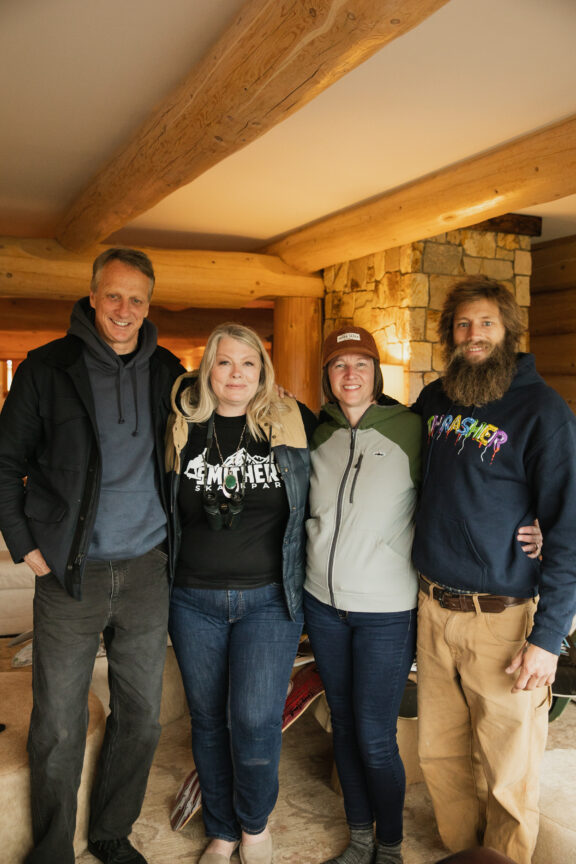
In the tiny mountain town of Smithers, BC, something unreal happened. Families showed up for a local skate jam to celebrate their new skate park — and Tony Hawk showed up too. Word spread fast (as it tends to when a legend rolls into town). It was one for the books — the kind of day that turns into hometown myth.

On behalf of a client we are grateful to have supported the Smithers Skate Park Society in building this world-class park for the local community. It was a bold vision and this mighty community has made it happen! Talk about small town heart.

It was a real pleasure to work behind the scenes with our friend Mark McMorris to make this big surprise happen for the local families.

And of course, a huge shout out to the generosity of Tony Hawk and members of the Birdhouse team Lizzie Armanto, Greyson Fletcher, and Jake Braun for making a whole bunch of dreams come true for local kids and families. Bringing your time and talent to this little adventure was a very kind thing to do.

Ollies Up!

Published May 30, 2025.

Philanthropic Services Manager

Graphic image for Philanthropic Services Manager job posting

Reporting to the CEO, the Philanthropic Services Manager will support our current philanthropic clients and the vital work of helping Canadian families give better
together. This leadership role is responsible for developing and executing a comprehensive
stewardship strategy that supports our clients as well as our own mission, vision and growth.

Philanthropic Services Manager
Location: Remote Hybrid with weekly in-person meetings in Victoria
Employment Type: Permanent, Full-time
Hours of work: 40 hours per week

Power to Give Foundation 2024 Annual Report

P2G-2024-Annual-Report-Cover

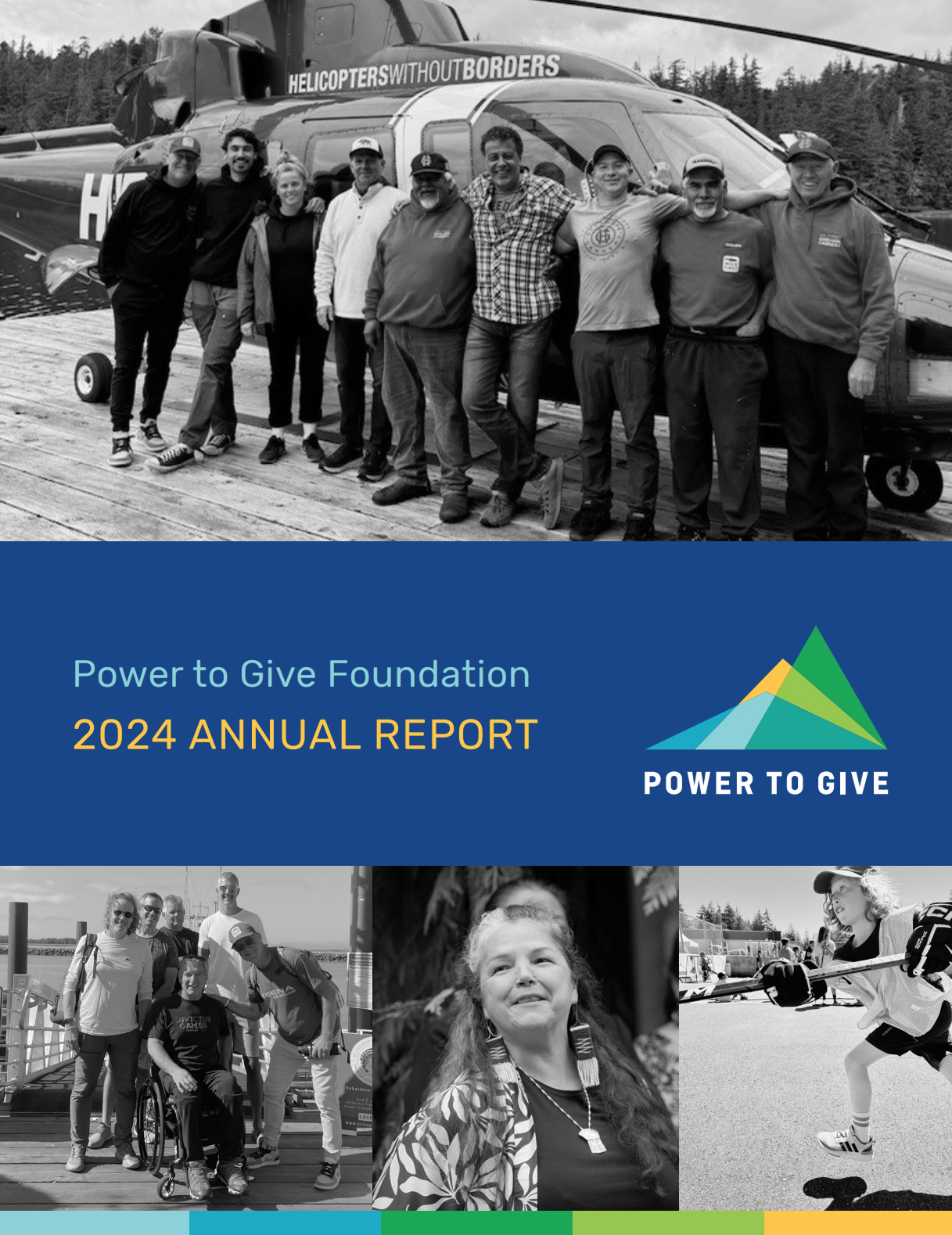
We are pleased to provide this overview of our philanthropic activities for the past fiscal year (January 1 – December 31, 2024). The Report is reviewed with the Power to Give Board of Directors during our Annual General Meeting in April.

Our gratitude to the extraordinary community who supported us in our Mission to help philanthropic Canadian families give better together.

Three Year Strategic Plan

We excite philanthropy.

Our boutique foundation puts meaningful relationships at the heart of everything we do. We’re able to help our clients enjoy their giving because we understand that philanthropy, at its best, is much more than a transaction. It’s a rewarding personal journey. A legacy.

Our Mission is to help philanthropic Canadian families give better.

Our vision is a supercharged community of families, entrepreneurs, and charities working together to be the best they can be.

Charity Leaders on Professional Development Priorities

Power To Give Annual Charity Partner Survey 2024

Here are the top ten skillsets our charity partners want to focus on in the coming year, as they work to grow as leaders and build sustainable social impact organizations.

  • Effective Communication Skills
    • Communicating clearly and impactfully in various environments (Board, stakeholders, community, teams) and simplifying ideas in informal settings.
  • Fundraising & Securing Resources
    • Enhancing the ability to ask for and secure funding, strengthen donor relationships, and make larger asks.
  • Conflict Management & Difficult Conversations
    • Managing conflicts and having difficult conversations, especially about performance and differing values.
  • Strategic Planning & Visioning
    • Developing confidence in strategic planning, aligning teams around a shared vision, and improving long-term decision-making.
  • Leadership & Team Development
    • Empowering and motivating teams, fostering ownership, and growing leadership potential within the organization.
  • Negotiation Skills
    • Improving negotiation skills for partnerships, collaboration, and advocating for shared goals.
  • Governance & Board Dynamics
    • Strengthening governance skills to guide high-performing boards and facilitate effective board participation.
  • Emotional Intelligence & Adaptability
    • Building emotional intelligence to connect with teams and stakeholders, and adapting to complex situations.
  • Time & Priority Management
    • Enhancing time management skills, setting realistic expectations, and balancing priorities effectively.
  • Cross-Cultural Communication & Competency
    • Fostering cultural competency and strengthening communication skills in diverse, cross-cultural settings.

Charity Leaders on the Top Challenges of 2024

Power To Give Annual Charity Partner Survey 2024

The top ten challenges managed by our charity leaders last year make it clear that our friend Dan Pallotta is correct: charities face the same challenges as for-profit businesses (with more strings attached).

  • Funding Constraints
    • Limited funding hinders growth, program delivery, and the ability to meet rising demand.
  • Staffing Shortages and Turnover
    • High turnover and difficulty recruiting skilled staff affect program effectiveness and stability.
  • Capacity Limitations
    • Limited resources and staff prevent organizations from scaling or delivering services effectively.
  • Sustainability of Funding
    • Dependence on short-term funding makes long-term planning and growth uncertain.
  • Community Engagement and Partnership Challenges
    • Building strong, lasting partnerships is difficult due to capacity issues, leadership changes, and differing priorities.
  • Inadequate Infrastructure and Space
    • Lack of facilities or infrastructure to support projects delays progress and reduces impact.
  • Leadership Transitions and Succession Planning
    • Leadership changes create instability and disrupt long-term goals and strategies.
  • Program Scalability and Delivery Limitations
    • Resource constraints limit the ability to scale or deliver programs, particularly in-person.
  • Cultural and Political Barriers
    • Cultural or political challenges can impede program success, especially in marginalized communities.
  • Evaluation and Impact Measurement
    • Lack of evaluation capacity prevents organizations from measuring and demonstrating long-term impact.

Charity Leaders on Key Risks They’re Watching for 2025

Power to Give Annual Charity Partner Survey 2024

Being a strong leader means looking ahead, planning for success and anticipating where the road bumps will be. Here are the top ten risks our charity partners are planning for now.

  • Lack of Funding and Resources
    • Insufficient or flucuating financial support limits program deliver, staff retention, and operations.
  • Staffing Challenges
    • Shortage of qualified staff, high turnover, and burnout can reduce program quality and stability.
  • Sustainability of Funding
    • Over-reliance on short-term funding risks long-term program sustainability.
  • Community Engagement and Participation
    • Low participation or engagement from target communities can undermine program effectiveness.
  • Staff Morale and Burnout
    • Low morale and emotional exhaustion, especially in high-stress roles, can lead to high turnover and reduced productivity.
  • Operational and Logistical Disruptions
    • Unexpected disruptions (e.g., facility issues, construction delays) can hinder program execution.
  • Capacity Limitations
    • Lack of resources or infrastructure to scale programs can result in overextension and declining quality.
  • Leadership and Succession Planning
    • Changes in leadership or lack of succession planning can destabilize operations and strategic direction.
  • Economic and External Factors
    • Economic downturns or political shifts can impact funding, priorities, and long-term viability.
  • Cultural Barriers and Inclusion
    • Failing to address cultural sensitivities can damage trust and limit program participation, especially in marginalized communities.